Canadian manufacturing news, read for sourcing
We track the moves that change where parts get made in Canada, defence and industrial procurement, new plant capacity, acquisitions, trade and tariffs, and read each one for what it means if you source custom parts here. Every piece cites its sources.
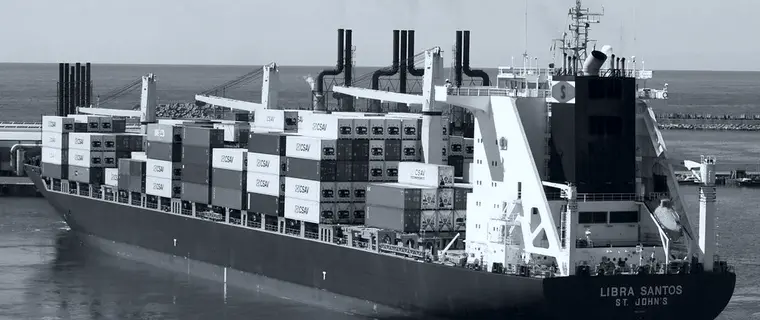 Trade
Canada's factory sector slipped into contraction in October. The sourcing read.
The S&P Global Manufacturing PMI fell to 49.6 in October, the first contraction of 2026, as tariffs cut orders, lengthened lead times and pushed input costs to a multi-year high. Here is what it changes for buyers sourcing parts in Canada.
TradeWhere US-Canada tariffs stand in late 2026, and the case for sourcing at home
Metal tariffs run to the end of 2027, the CUSMA review passed without an extension, manufacturer remissions have lapsed, and Canadian factory activity is cooling. Here is the current state and what it changes for sourcing.
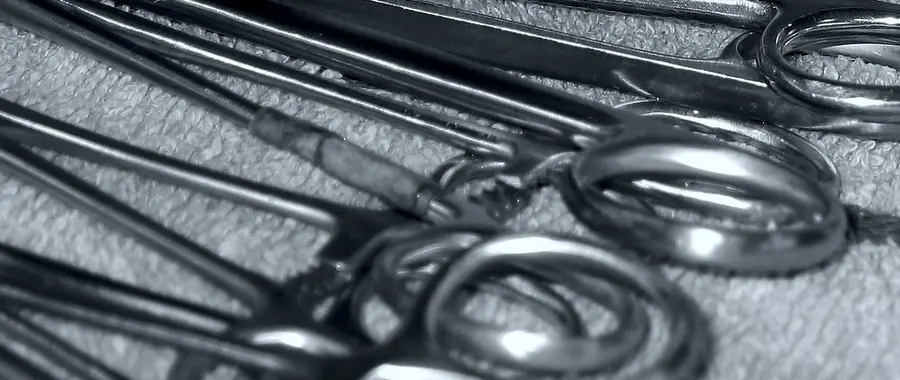 Medical
Canada's radiopharmaceutical build-out is a precision-parts story too
Three facility investments in five weeks, capped by Jubilant's CAD 94.5M Kirkland expansion, are adding domestic isotope and radiopharma capacity. That capacity runs on ISO 13485 precision components.
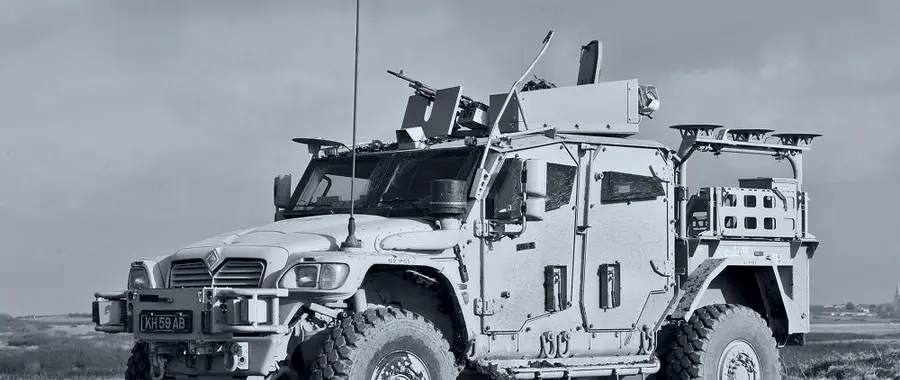 Defence
Ottawa moves to make the Defence Investment Agency a Crown corporation. What it signals for Canadian shops.
Bill C-40 would turn the agency that buys for the military into a permanent Crown corporation with a mandate to build domestic manufacturing. For CGP-registered Canadian shops, the direction of travel is clear.
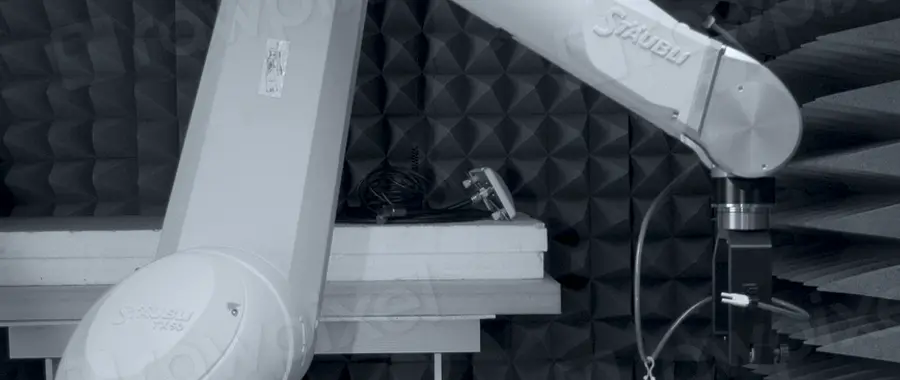 Technology
Canadian shops are automating for high-mix work. That changes what domestic sourcing can do.
From IMTS and FABTECH to a new robot-assembly plant in Kingston, the automation on display targets high-mix, low-volume work. That is the kind Canadian custom-parts buyers actually send.
 Automotive
Volkswagen's Ontario battery plant slips to 2029. The automotive parts economy did not.
PowerCo pushed its St. Thomas gigafactory start from 2027 to 2029. The headline is a delay, but the day-to-day automotive parts and tooling economy runs on production that is already here.
 Mining
A billion-dollar Ontario mine just got fully financed. That is a heavy-fabrication order book.
Generation Mining locked in roughly C$1.3B to build the Marathon copper-palladium project, with early construction in Q4 2026 and C$140M from the Canada Growth Fund. Mine builds run on wear parts and heavy steel.
 Aerospace
Bombardier takes its wing maker in-house. What aerospace consolidation means for Canadian suppliers.
Bombardier is acquiring MHI Canada Aerospace's Mississauga wing plant and its roughly 750 workers. Vertical integration at the prime reshapes where the rest of the aerostructures supply chain fits.