A billion-dollar Ontario mine just got fully financed. That is a heavy-fabrication order book.
Generation Mining locked in roughly C$1.3B to build the Marathon copper-palladium project, with early construction in Q4 2026 and C$140M from the Canada Growth Fund. Mine builds run on wear parts and heavy steel.
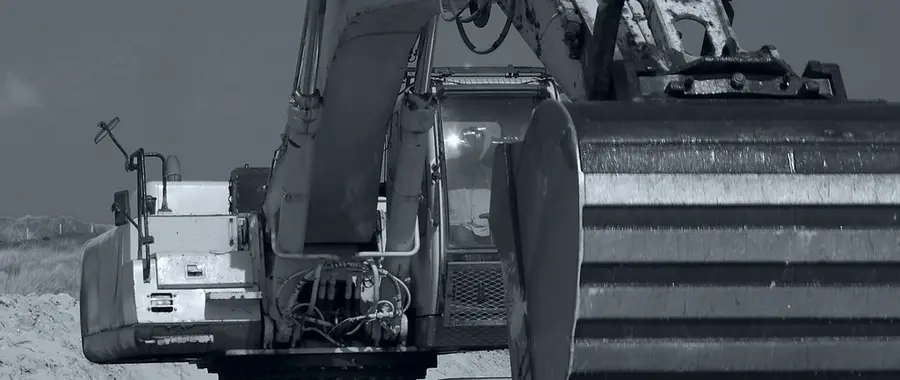
In September 2026, Generation Mining secured a construction package of about C$1.3 billion for its Marathon copper-palladium project in Ontario, anchored by C$140 million from the Canada Growth Fund and C$50 million from the Canada Infrastructure Bank, with early-works construction set for Q4 2026. A financed mine build is a multi-year order book for heavy fabrication, structural steel, wear parts and machining.
The federal government confirmed in September 2026 that the Canada Growth Fund committed about C$140 million to Generation Mining's Marathon project, part of roughly C$190 million in federal anchor commitments (the balance C$50 million from the Canada Infrastructure Bank). The company says the full construction package is about C$1.3 billion, and a C$240 million share sale closed on September 21, 2026, leaving the Canada Growth Fund with a 19.9 per cent stake.
Management said it would begin early-works construction in Q4 2026, starting with infrastructure such as access-road upgrades, plant-site clearing and initial water management. The project is designed for a 13-year life, and Glencore will take the concentrate for domestic processing at its Horne smelter in Rouyn-Noranda, Quebec. It lands in a wider push: the government has been fast-tracking critical-mineral projects, and British Columbia added more projects to its Critical Minerals Office in September 2026.
Why a mine build is a fabrication story
A mine under construction consumes a lot of made-to-spec metal before it produces an ounce of anything. Structural steel for plant buildings and conveyors, tanks and process vessels, chutes, liners and wear parts, pipe spools, and machined components for crushers, mills and pumps are all fabricated work, much of it heavy and much of it replaced on a schedule once the mine is running. Mining and heavy industry is one of our live directory pockets for exactly this reason.
What this means if you source mining or heavy-industry parts in Canada
Two reads. First, a financed build with a Q4 2026 start is near-term, not speculative, demand for heavy fabrication, structural steel and welding. Second, mining parts are judged on durability and fit, not just price: wear-resistant materials, qualified weld procedures and the ability to turn large components. The shops that win this work are set up for heavy, high-mix fabrication and machining.
FAQ
What kind of parts does a new mine need?
Structural steel for buildings and conveyors, process tanks and vessels, chutes, liners and wear parts, pipe spools, and machined components for crushers, mills and pumps. Much of it is heavy fabrication, and wear parts are replaced on a schedule once the mine operates.
Is the Marathon project actually going ahead?
The company announced full construction financing in September 2026 and said early-works construction would begin in Q4 2026. As with any project, confirm current status with the company before relying on the timing.
Last reviewed: October 2026. Financing figures are from the Government of Canada and company releases cited below.
Sources
- Canada.ca: Minister Champagne welcomes Canada Growth Fund investment in Ontario copper and palladium mine (Sep 2026)
- Junior Mining Network: Generation Mining secures full project financing (Sep 2026)
Analysis by Made to Spec from the public sources above. We report what the sources support and link them so you can check the detail. Figures and measures can change, so confirm with the primary source before acting.
Sourcing parts in this sector?
Describe your part once and we'll match you to vetted Canadian shops that can actually make it, then bring back 3 to 5 quotes. Free for buyers, no account needed.