Canadian shops are automating for high-mix work. That changes what domestic sourcing can do.
From IMTS and FABTECH to a new robot-assembly plant in Kingston, the automation on display targets high-mix, low-volume work. That is the kind Canadian custom-parts buyers actually send.
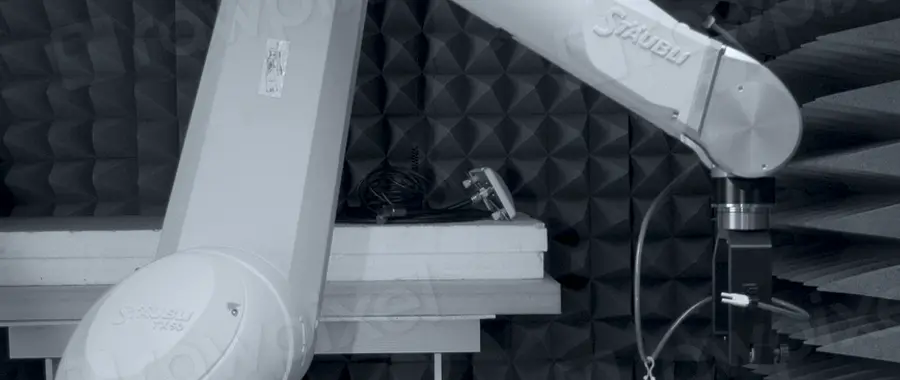
The automation shown at IMTS and FABTECH in 2026 (machine tending, robotic welding and bending, and Robotics-as-a-Service) is aimed at high-mix, low-volume production, the exact profile of most custom-parts work. Canadian shops adopting it can turn small, varied runs faster, which is the kind of work a domestic buyer sends.
The 2026 shows made the theme plain. IMTS 2026 drew more than 90,000 registrants around AI and automation, with machine-tending robotics and Robotics-as-a-Service pitched as ways to add capacity without heavy capital. FABTECH Canada previewed compact robotic welding and bending cells. The common thread was automation built for high-mix, low-volume production, not just long identical runs.
The investment is landing in Canada too. Advanced Autonomics, a US automation firm founded in 2023, opened its first international robot-assembly plant in Kingston, Ontario in 2026. Software is consolidating as well, with Mastercam Canada completing its acquisition of In-House Solutions to expand support for Canadian manufacturers.
Why high-mix automation matters for custom parts
The old assumption was that automation only paid off at scale, so high-mix, low-volume custom work stayed manual and slow. That is changing. Machine tending, quick-change fixturing, integrated vision and robotic welding cells let a shop automate setups and runs that used to be too varied to justify a robot. For custom-parts work, that shows up as shorter lead times, more consistent quality and more capacity for small batches, without the job having to be big to qualify.
What this means if you source custom parts in Canada
Do not assume automation means offshore scale. Canadian machining and welding shops are adopting the same high-mix automation, which narrows the turnaround and cost gap on exactly the small, varied runs a domestic buyer tends to send. When you vet a shop, its automation is worth asking about: machine tending and quick-change tooling are a real signal on how fast it can turn a high-mix order.
FAQ
Does shop automation only help high-volume orders?
No. The automation on display in 2026 (machine tending, quick-change fixturing and robotic welding cells) is aimed at high-mix, low-volume work. It lets shops turn small, varied runs faster, which is the profile of most custom-parts jobs.
Is this automation available from Canadian shops?
Increasingly, yes. Canadian machining and fabrication shops are adopting the same systems, and automation suppliers are expanding in Canada, including a new robot-assembly plant in Kingston, Ontario in 2026.
Last reviewed: October 2026. Show and company details are from the trade coverage cited below.
Sources
- Canadian Metalworking: IMTS 2026 draws 90,000+ as AI and automation reshape manufacturing
- Manufacturing Automation: Advanced Autonomics expands into Canada (Aug 2026)
Analysis by Made to Spec from the public sources above. We report what the sources support and link them so you can check the detail. Figures and measures can change, so confirm with the primary source before acting.
Sourcing parts in this sector?
Describe your part once and we'll match you to vetted Canadian shops that can actually make it, then bring back 3 to 5 quotes. Free for buyers, no account needed.