Ottawa is funding a Yukon tungsten mine. The read for precision shops and defence parts.
Ottawa committed up to $14 million to advance the Mactung tungsten project in the Yukon. Why a domestic tungsten supply matters for Canadian tooling and defence parts.
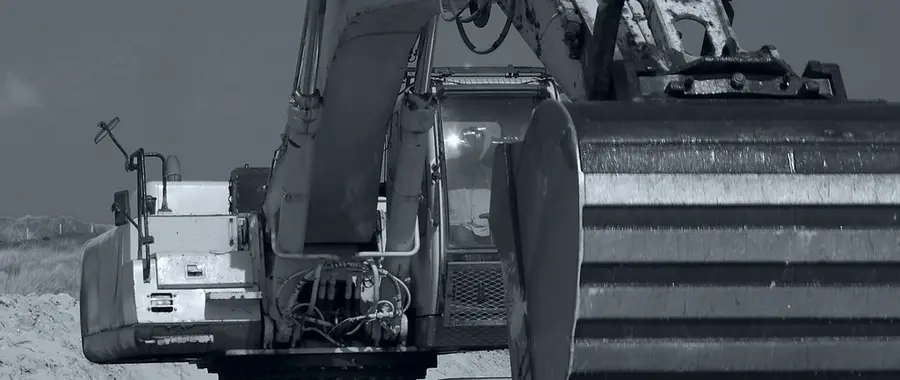
On November 16, 2026, Natural Resources Canada announced up to $14 million for Fireweed Metals Corp. to advance the Mactung tungsten project in the Yukon toward a final investment decision. Tungsten is the raw material of carbide cutting tools and wear parts, and Ottawa calls it a critical input for defence, aerospace and advanced manufacturing. For Canadian machine shops and the buyers who use them, this is a tooling-resilience story: the carbide that cuts your parts, and the wear parts that line your equipment, start upstream with tungsten.
What was announced
- Up to $14 million from the federal government for Fireweed Metals Corp., for engineering, validation and technical work to move the Mactung mine toward a final investment decision (Natural Resources Canada, November 16, 2026).
- It builds on up to $12.9 million committed in 2024 through the Critical Minerals Infrastructure Fund for road and transmission infrastructure in eastern Yukon.
- Mactung, in the Selwyn Mountains, is described by the government as one of the world's largest undeveloped high-grade tungsten deposits. If developed, it is projected to support hundreds of jobs in northern and remote communities.
- Separately, Budget 2026 proposes $424.4 million over four years to renew Canada's Critical Minerals Strategy.
Why tungsten matters to a machine shop
Tungsten carbide is what most cutting tools are made of: end mills, inserts and drills, the tooling that removes metal on a CNC machine. It also goes into wear parts, dies, and defence and aerospace components. Most of the world's tungsten mining and processing sits offshore and is concentrated in a handful of countries, so a tooling or wear-part buyer carries that concentration risk whether they track it or not. A funded, high-grade Canadian deposit is the first link in an allied-jurisdiction tungsten chain. It does not move tool prices this quarter, but it is the kind of upstream security that makes domestic tool and die and wear-part supply more resilient over time.
The sourcing read
This is an upstream mining investment, not a part you can order tomorrow, so the read is about resilience rather than price.
- If your production depends on carbide tooling or tungsten wear parts, treat supply concentration as a real risk and ask your suppliers where their carbide comes from.
- If you buy defence or aerospace parts, domestic critical-mineral supply is part of the same allied-sourcing case that Canadian origin and certifications already support. See defence procurement in Canada.
- For the machined and fabricated parts themselves, the shops are here. Request a quote and we match it to capable Canadian suppliers.
Last reviewed: November 2026. The $14 million, $12.9 million and $424.4 million figures and the deposit description are from the Natural Resources Canada release of November 16, 2026, linked below, and are federal commitments stated as of that date.
Sources
- Natural Resources Canada: Canada invests in critical mineral mining in the Yukon (November 16, 2026)
- Natural Resources Canada: Canada and United States co-invest in Yukon critical minerals (2024, Critical Minerals Infrastructure Fund)
Analysis by Made to Spec from the public sources above. We report what the sources support and link them so you can check the detail. Figures and measures can change, so confirm with the primary source before acting.
Sourcing parts in this sector?
Describe your part once and we'll match you to vetted Canadian shops that can actually make it, then bring back 3 to 5 quotes. Free for buyers, no account needed.